Creating a home workspace that is both relaxing and productive can significantly improve your work-from-home experience. When your environment supports focus and calm, you are more likely to accomplish tasks efficiently and enjoy your workday. Whether you have a dedicated room or just a small corner to work in, these tips will help you design a space that enhances both productivity and relaxation.
Choose the Right Location
Find a Quiet Spot
Select a place in your home that is as free from distractions as possible. Preferably, choose an area with minimal foot traffic and noise. Avoid spaces near the television or common family areas where interruptions are frequent.
Consider Natural Light
Natural light can boost mood and energy levels. Position your desk near a window if you can, but be mindful of glare on your computer screen. If natural light isn’t available, invest in good quality lighting that mimics daylight to keep you alert.
Invest in Comfortable and Functional Furniture
Ergonomic Chair and Desk
Comfort is essential. Choose an ergonomic chair that supports your back and promotes good posture. Pair it with a desk at the right height to prevent strain on your wrists and shoulders.
Adequate Desk Space
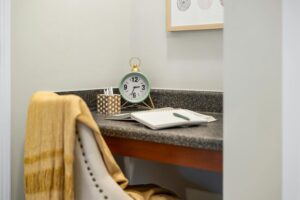
Ensure your desk has enough space for your computer, documents, and other tools you frequently use. A cluttered desk can increase stress and reduce focus.
Organize and Declutter
Use Storage Solutions
Keep supplies and paperwork organized with drawers, shelves, or containers. Use labels to quickly find what you need without digging through piles.
Daily Tidy-up Routine
Spend a few minutes at the end of each day clearing your workspace. A clear desk in the morning helps set a calm tone and prepares you for productivity.
Personalize Your Workspace
Add Calming Elements
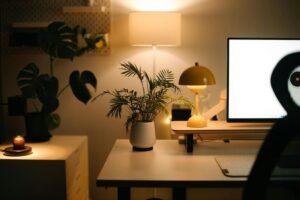
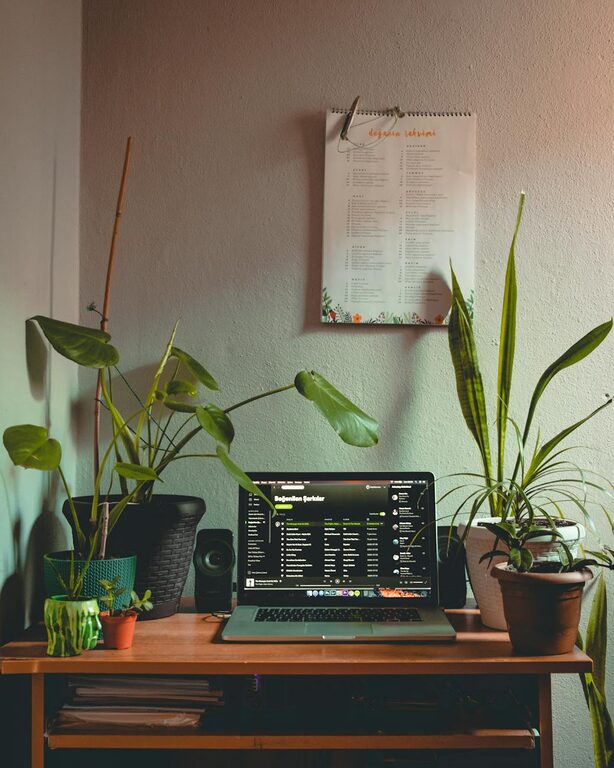
Incorporate items that help you feel relaxed, such as small plants, artwork, or photos. These touches create a more inviting and personalized environment.
Avoid Overdecorating
While personalization is good, too many items can be distracting. Keep it simple and meaningful.
Manage Technology Efficiently
Position Your Screen
Place your monitor at eye level to avoid neck strain. Maintain a comfortable distance from the screen to reduce eye fatigue.
Use Headphones or Noise-Canceling Devices
If noise is an issue, headphones or noise-canceling devices can help you concentrate better by minimizing distractions.
Cable Management
Keep cords tidy with clips or cable management boxes to prevent tangled wires and a messy look.
Establish Healthy Work Habits
Set Boundaries
Define your work hours clearly. When your workday ends, step away from your workspace to signal a mental break.
Take Regular Breaks
Use techniques like the Pomodoro method (25-minute focus periods followed by short breaks) to keep your mind fresh and avoid burnout.
Incorporate Movement
Stand up, stretch, or take a short walk during breaks to promote circulation and reduce physical fatigue.
Control the Environment
Temperature and Air Quality
Keep your workspace at a comfortable temperature. If possible, open windows for fresh air or use a fan or air purifier to maintain a pleasant atmosphere.
Minimize Distractions
Use curtains or blinds to block outside distractions. Consider a “Do Not Disturb” sign if you share your living space with others during work hours.
Use Calming Scents and Sounds
Aromatherapy
Lightly scented candles or essential oil diffusers with lavender, eucalyptus, or peppermint may help to reduce stress and improve focus.
Background Sounds
Listen to quiet instrumental music, nature sounds, or white noise to create a soothing background without interrupting your concentration.
Final Thoughts
Creating a home workspace that balances relaxation and productivity is about more than just aesthetics. It involves thoughtful choices about location, furniture, organization, and habits. With the right setup, your home office can become a place where you feel comfortable, focused, and motivated to do your best work every day.
By implementing these tips, you’ll build an environment that supports your wellbeing and work goals, making your home workspace a true asset instead of a challenge. Remember, the best workspace is one that suits your unique needs and helps you perform at your highest level with ease and calm.