Starting a home garden can be a rewarding and relaxing hobby, offering fresh produce, beautiful flowers, or a touch of greenery right outside your door. Even if you don’t have a large backyard, you can still enjoy gardening by being creative with your space. Whether you have a small balcony, windowsill, or a tiny patio, there are simple ways to grow a successful home garden regardless of space constraints. In this post, we’ll explore practical tips to help you get started and keep your garden thriving.
Why Garden at Home?
Gardening offers numerous benefits: it reduces stress, encourages outdoor activity, improves air quality, and gives you the satisfaction of growing your own plants. Homegrown vegetables and herbs often taste better and are fresher than store-bought options. Plus, gardening can improve your living space’s aesthetics, making your home feel more vibrant.
Assessing Your Available Space
Identify Your Sunlight Source
The first step in starting a home garden is to observe how much natural light your space receives. Most vegetables and many flowers need at least 6 hours of direct sunlight per day. North-facing windows or shaded balconies might limit some plants but can work well for leafy greens or shade-loving flowers.
Measure Your Space
Whether it’s a windowsill, balcony, or a corner of a room, measure the area you want to dedicate to gardening. This helps determine what types and sizes of containers or planting systems will fit.
Consider Indoor vs. Outdoor
Some plants do better outside, enjoying fresh air and rainwater, while others can thrive indoors under grow lights. Based on your space, decide if your garden will be outdoors, indoors, or both.
Choosing the Right Containers and Soil
Container Types
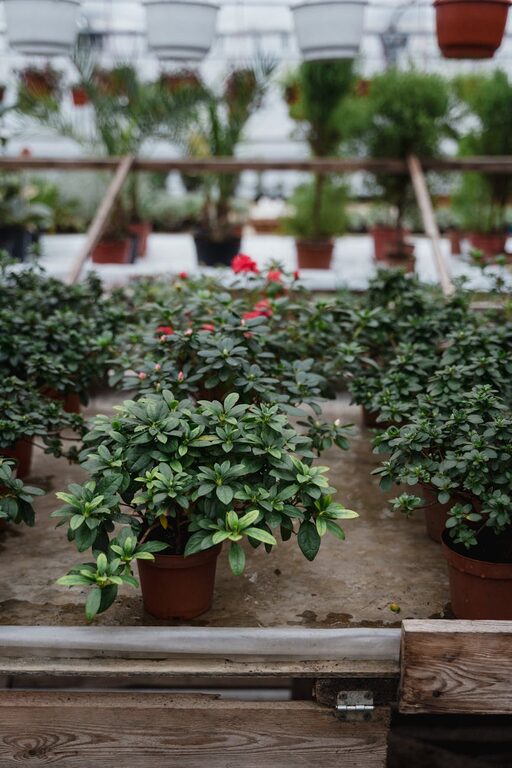
When space is limited, containers are your best friend. Here are some common options:
– Pots and planters: Available in many sizes and materials such as terracotta, plastic, or ceramic.
– Window boxes: Great for herbs or flowers on windowsills or railings.
– Vertical planters: Utilize vertical space by hanging pockets or stacked pots.
– Recycled containers: Old buckets, wooden crates, or tins can be repurposed as pots.
Soil Selection
Good soil is critical for healthy plants. Use high-quality potting mix designed for container gardening since it drains well and contains the right nutrients. Avoid using garden soil directly as it might compact and hinder root growth.
Selecting Plants Suitable for Small Spaces
Fast-Growing Vegetables
Some vegetables are ideal for small gardens due to their size and growth habits:
– Leafy greens: Lettuce, spinach, and kale grow well in containers and don’t require deep soil.
– Herbs: Basil, parsley, mint, and chives are compact and useful in the kitchen.
– Tomatoes: Dwarf or cherry tomato varieties thrive in pots with trellises or cages.
– Peppers: Mini bell or chili peppers suit container life.
Flowers and Decorative Plants
If you prefer flowers, consider:
– Marigolds and pansies: Bright, compact flowers that fit well in pots.
– Succulents: Require little space and care, perfect for indoor displays.
– Trailing plants: Ivy or petunias can be placed in hanging baskets for visual appeal.
Maximizing Your Space
Vertical Gardening
Using walls, fences, or railings to hang planters or use shelving allows you to grow more plants vertically rather than horizontally. Vertical gardens are perfect for herbs, strawberries, or climbing plants like beans.
Multi-tier Plant Stands
Stacked plant stands or tiered shelves can hold multiple pots, saving floor space and creating an attractive display.
Portable Planters
Consider containers on wheels or trays that allow you to move plants easily to catch sunlight or protect them from bad weather.
Watering and Maintenance Tips
Consistent Watering
Containers dry out faster than garden beds, so keep an eye on moisture levels. Water your plants when the top inch of soil feels dry, preferably in the morning. Avoid overwatering by ensuring containers have drainage holes.
Fertilizing
Plants in containers rely on you for nutrients. Use a balanced liquid fertilizer every couple of weeks during the growing season to keep plants healthy.
Pruning and Harvesting
Regularly prune dead or yellowing leaves and harvest herbs or vegetables to promote continued growth. Keeping your plants tidy prevents disease and encourages productivity.
Creating the Right Environment
Temperature and Airflow
Most plants thrive in temperatures between 60°F and 75°F. Avoid placing plants in drafty areas or near heat sources like radiators.
Pest Control
Watch for common pests such as aphids or spider mites. Use natural remedies like neem oil or insecticidal soap instead of harsh chemicals, especially if you’re growing edible plants.
Starting Small and Growing Gradually
Don’t feel pressured to grow a large garden at once. Start with a few easy-to-care-for plants and expand as you gain confidence. This approach reduces waste and makes gardening more enjoyable.
Final Thoughts
You don’t need a sprawling yard to enjoy the benefits of gardening. With some planning, creativity, and care, you can nurture a beautiful, productive home garden in even the smallest spaces. Start today with these simple tips and watch your green space flourish!
Happy gardening!